
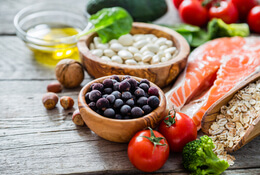
Older adults often lack calcium and vitamin D3, iron, protein and zinc.
An article in Current Aging Science found that the elderly are at risk for these deficiencies because they eat less and their bodies no longer absorb the nutrients well.
Calcium and D3 – Older women are especially prone to osteoporosis, a disorder characterized by weak and brittle bones. Calcium and vitamin D play critical roles in bone health, as calcium helps strengthen your bones, and vitamin D helps your body absorb calcium from foods. As we age, bone mineral density decreases, leading to limited mobility and fractures—especially after a fall. Calcium-rich foods include leafy greens, white beans, salmon and oatmeal. For a vitamin D boost, consume dairy, egg yolks and beef liver.
Iron – Among adults 60 years and older, 30% have experienced the loss of skeletal muscle mass and function, also called sarcopenia. That number spikes to more than 50% for those 80 and older. Too little iron in one's system can lead to anemia, which causes fatigue, depression, loss of muscle function and lower cognitive ability. Eat iron-rich foods like leafy greens, beef, tuna and beans to counteract low levels. Foods and supplements with vitamins C, B9 and B12 can also aid in iron absorption.
Protein – Among adults 60 years and older, 30% have experienced the loss of skeletal muscle mass and function, also called sarcopenia. That number spikes to more than 50% for those 80 and older. If you don't get enough protein, try eating more lean meats, poultry, cottage cheese, fish and seafood, eggs and almonds.
Zinc – If you've noticed age has come with more frequent illnesses, you could have a zinc deficiency. Low zinc levels leave you prone to infection and risk of morbidity. Current Aging Science found that seafood, poultry, red meat, beans, fortified breakfast cereals, whole grains, nuts and dairy products can increase zinc levels. However, animal proteins were more effective than plant-based counterparts.
While aging and taking some medications can affect your body's ability to absorb certain nutrients and leave you at a greater risk for a deficiency, consuming too much of any one vitamin or mineral poses its own health risks. Your best bet? Eat a balanced diet and speak with your doctor about whether a daily supplement or multivitamin is right for you.