
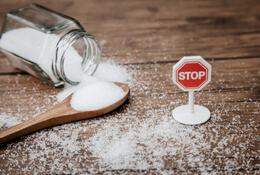
A teaspoon in your coffee, a sprinkle on top of dessert — sugar is ingrained in the daily diet of almost every American. Consuming too much of the sweet substance can result in weight gain, low energy and, according to a new study published by JAMA Internal Medicine, a higher risk of developing heart disease.
How much sugar is too much? According to the American Heart Association, women should limit their daily sugar intake to six teaspoons (24 grams) or 100 calories per day, while men should consume a maximum of nine teaspoons (36 grams) or 150 calories. To put these numbers in perspective, the U.S. Department of Agriculture compiled a list of common American dietary staples and an average of corresponding calories from added sugar per serving. The list includes:
- carbonated soda (12-ounce can) — 132.5 calories from added sugar
- cinnamon raisin bagel (4-inch diameter) — 12.8 calories
- nonfat yogurt (6-ounce container) — 77.5 calories
There are many ways to add sweetness to your favorite treats without adding sugar. Try these tips:
- Choose fresh or frozen fruits or canned options stored in water or juice rather than syrup.
- Cut the sugar you add to recipes by one-third. Odds are the food will probably taste just as delicious.
- Spice up morning meals such as oatmeal and toast with cinnamon and nutmeg rather than sugar.
- Trade in your soda for a low- or no-calorie soda. Better yet, choose a carbonated, flavored water with no calories to enjoy that familiar fizz without added sugar.
Sugars that make food taste sweet may be classified into two categories: naturally occurring and added. The former refers to sugars found in certain grains, milk, and fruits and vegetables. The latter refers to sugar that has been added to items to sweeten or preserve them.
Natural sugar is a healthy way to satisfy sweet cravings, and comes in lactose and fructose forms. Lactose is found in dairy, including milk, cheese and yogurt, while fructose is contained in honey and plant-based foods such as fruits, corn and asparagus.
When grocery shopping, avoid items that contain the following ingredients, which are all considered added sugars:
- corn sweetener
- fruit juice concentrate
- high-fructose corn syrup
- invert sugar
- malt sugar
- molasses
- syrup