
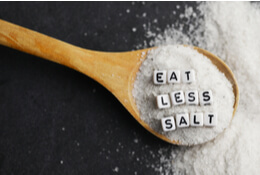
The American Heart Association (AHA) recommends only 1,500 milligrams — slightly more than one-half a teaspoon — of sodium per day. Most Americans consume more than double that amount. Keep an eye on the six most common sources of sneaky sodium identified by the AHA.
- Bread. Bread is the top source of sodium for Americans. Look for breads labeled "low-sodium" or "reduced-sodium" for healthier options.
- Cold cuts. One serving of deli meat can have up to half of your recommended daily amount of sodium. Try a lower-sodium variety of your favorite lunch meat, or switch to homemade chicken or tuna salad.
- Pizza. Stay away from pepperoni and sausage and add a few more veggies. Eliminating pizza altogether cuts out more than 700 milligrams of sodium per slice.
- Poultry. Naturally sodium-free, poultry can be loaded with preservatives that add sodium. Stick to healthy ways of cooking your bird while avoiding processed or fried chicken.
- Soup. One cup of canned soup packs as much as 940 milligrams of sodium. Look for low-sodium alternatives — or make your own soup!
- Sandwiches. A sandwich from your favorite fast-food place can have more than 100 percent of your recommended daily amount of sodium. Try bringing a sandwich from home or ordering a lighter choice from the menu.
The body needs 200 milligrams of sodium, but the average person gets 3,400 milligrams. The AHA recommends 1,500 – which is only ¾ teaspoon of salt. Nine out of ten people consume too much, and 75% of the intake amount comes from processed foods. Salt added at the table for flavor only adds up to around 6%.
Fast Facts
- Kosher salt and sea salt contain the same amount of sodium as table salt.
- Most foods, including milk and celery, contain sodium.
- Too much sodium intake is one risk factor of high blood pressure.